31 July 2026 – Mindelheim
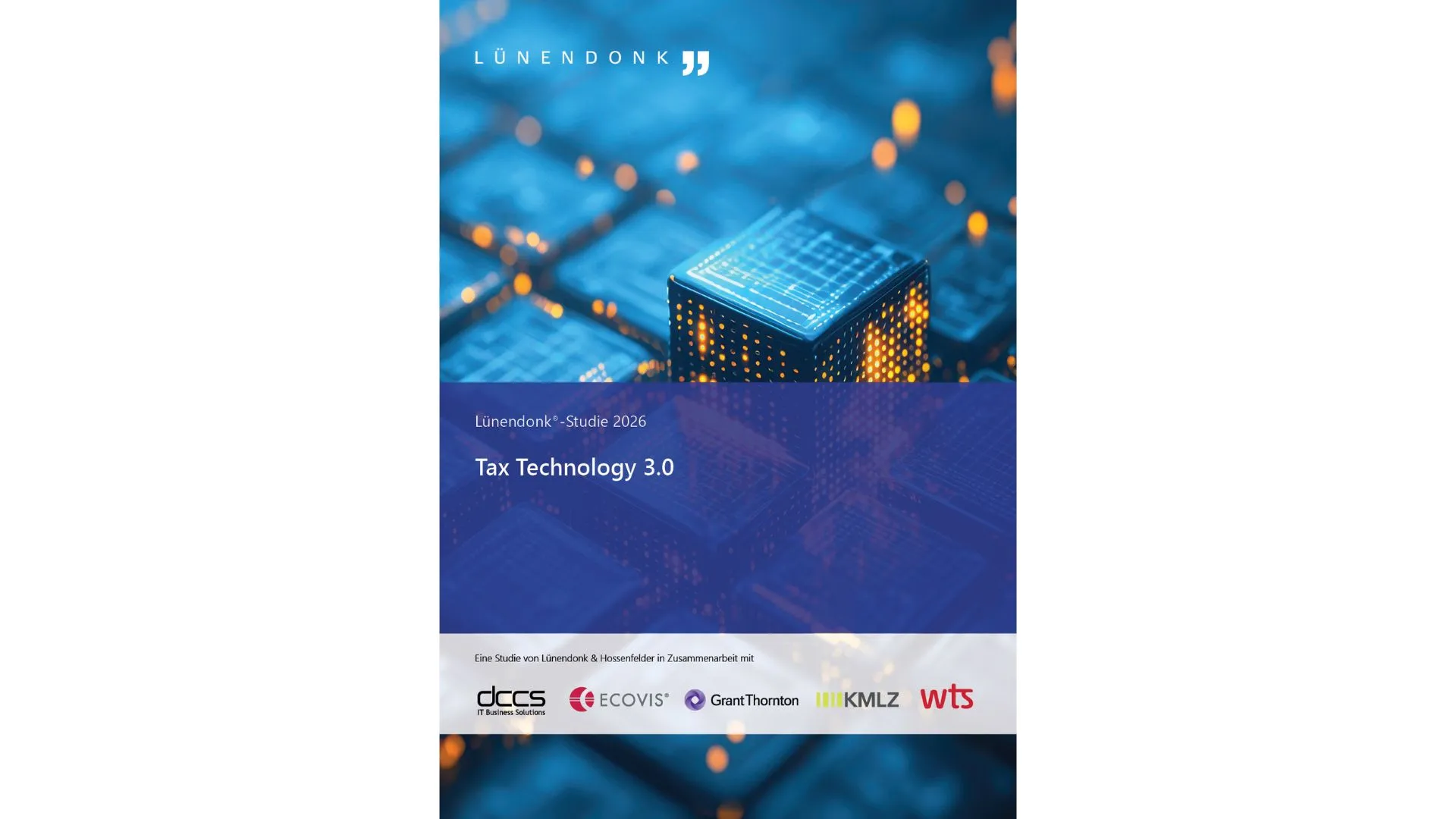
Tax Technology is no longer a future topic in Germany — and yet there is a significant gap between self-perception and reality. This is one of the key findings of the Lünendonk Survey 2026 “Tax Technology 3.0”, for which 84 companies — ranging from SMEs to large corporations — were surveyed on their level of digitalization. One central finding: 94 percent of tax functions continue to rely on Excel as their primary working tool, while many companies simultaneously rate themselves as “highly digitalized.”
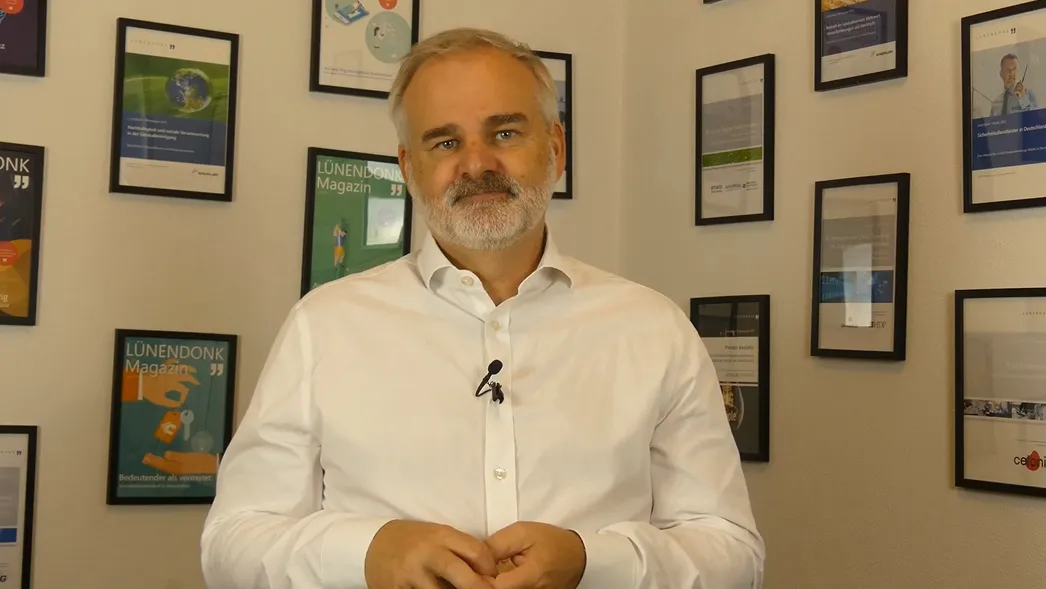
Jörg Hossenfelder, Managing Partner of Lünendonk & Hossenfelder, provides a concise overview of the survey’s key findings in the video. He explains why Excel has taken on an infrastructural role in many tax functions, where automation is already taking effect — and where it reaches architectural rather than technological limits. A particular focus is placed on e-invoicing, cited by 87 percent of companies as the most significant external driver for their tax function, as well as on the role of artificial intelligence, which — despite high expectations — is currently used by only 56 percent of companies.
Looking ahead: the tax function is evolving from a reactive declarant to a strategic business partner. For this transformation to succeed, what is needed is not new tools — but a fundamentally reimagined overall tax architecture.
Looking for more information?
For the Lünendonk Survey 2026 “Tax Technology 3.0”, a total of 84 companies — ranging from small and medium-sized enterprises to large companies and corporate groups — were surveyed between September and November 2025. Download now free of charge!